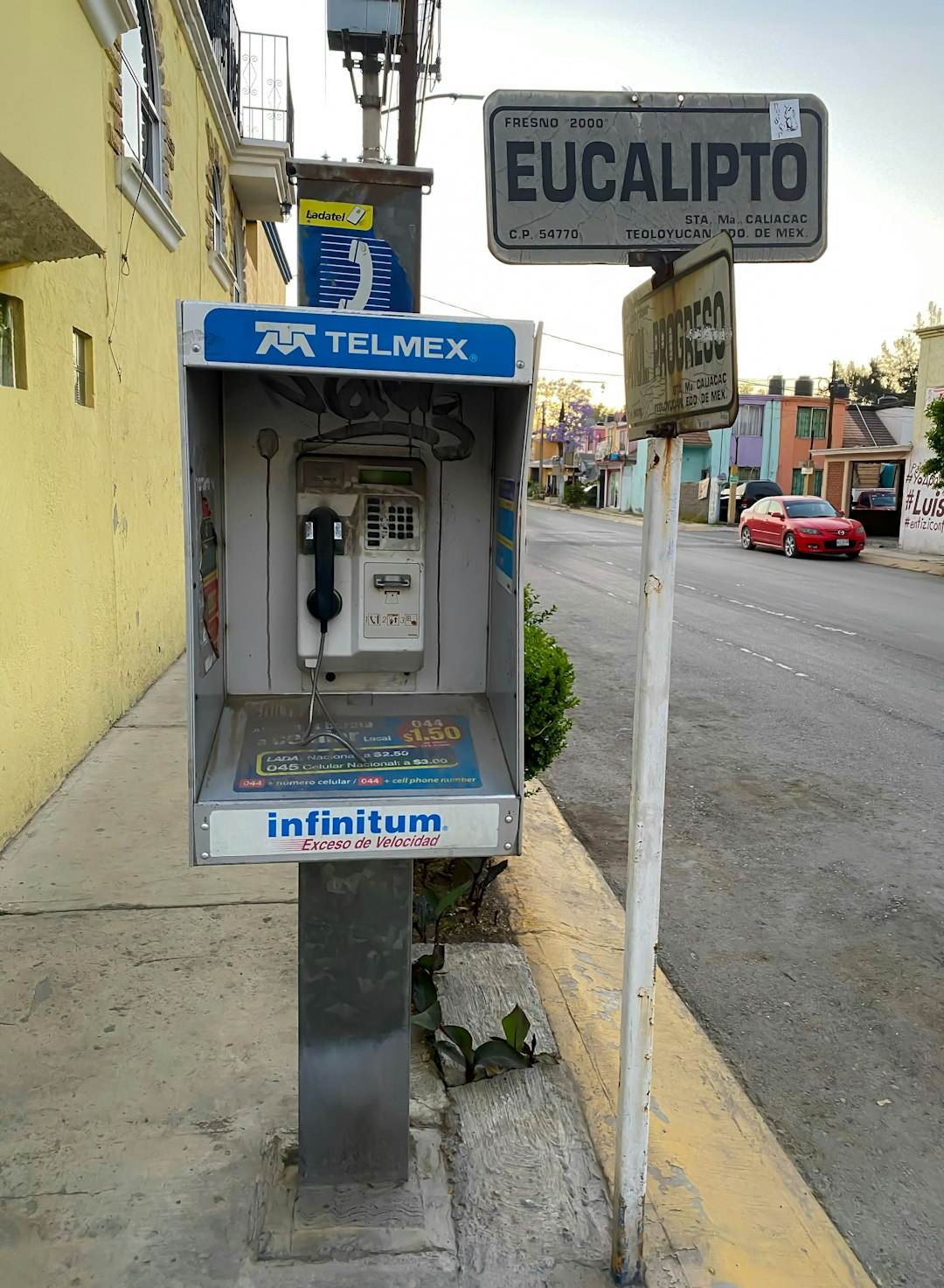
Phone scams, particularly robocalls, pretexting, and investment schemes, pose a significant problem in Philadelphia communities, causing substantial financial losses and emotional distress. A crucial strategy involves hiring a lawyer for TCPA Philadelphia specialized in litigation, who assist victims in seeking justice, deterring scammers, and setting precedents. Community awareness is built through educational sessions, legal guidance from experts, and regular updates on scam trends. Law enforcement disrupts operations through specialized units and task forces. By combining legal advocacy and community outreach, these lawyers help create an environment less conducive to phone scams, strengthening Philadelphia's defense against fraudulent activities.
Phone scams are a pervasive issue in Philadelphia communities, posing significant financial and emotional risks to residents. These deceptive tactics, often involving robocalls or impersonation, have become increasingly sophisticated, making it crucial for citizens to be informed and protected. Building a robust network of support is essential to combat this growing problem. This article explores practical strategies and highlights the role of legal experts, such as a TCPA lawyer in Philadelphia, in empowering communities to defend against these scams, ensuring a safer and more secure environment for all Philadelphians.
Understanding Phone Scams in Philadelphia: Prevalence & Impact

Phone scams have become a pervasive issue within Philadelphia communities, impacting individuals across all demographics. According to recent data from the Federal Trade Commission (FTC), Pennsylvania residents reported one of the highest rates of phone scam complaints nationwide in 2022, underscoring the urgency for robust countermeasures. These scams encompass various forms, including robocalls, pretexting, and fraudulent investment schemes, often leveraging fear or desperation to manipulate victims. For instance, a common tactic involves impersonating government agencies or financial institutions, claiming urgent action is required to avoid dire consequences.
The impact of these scams is profound. Victims can suffer significant financial losses, ranging from hundreds to thousands of dollars, as well as severe emotional distress. Furthermore, the prevalence of phone scams erodes trust in legitimate communication channels and can discourage individuals from engaging with necessary services. A study by the Center for Consumer Research revealed that scam calls can lead to increased anxiety, stress, and even sleep disturbances among affected individuals. This psychological toll underscores the need for a comprehensive strategy to combat phone scams, one that involves not only technological solutions but also community education and targeted legal intervention.
A lawyer specializing in TCPA (Telephonic Consumer Protection Act) litigation in Philadelphia can play a pivotal role in this fight. They can assist victims in pursuing justice and financial compensation through legal channels, deterring scammers and setting precedents. By staying abreast of evolving scamming tactics and leveraging the latest technological tools, these legal experts can help communities build a network of support that not only protects against phone scams but also empowers individuals to take proactive measures against future fraudulent activities.
Legal Framework: The TCPA and Your Rights in Pennsylvania

In Philadelphia, as across the nation, phone scams have evolved into a pervasive issue, impacting individuals and communities alike. To combat this growing concern, understanding the legal framework surrounding these fraudulent activities is paramount. The Telephone Consumer Protection Act (TCPA) serves as a cornerstone of consumer protection legislation in the United States, including Pennsylvania. This federal law grants consumers powerful rights against unsolicited phone calls, offering a robust legal foundation for combating scams.
The TCPA restricts the practices of telemarketers and sets guidelines for automated telephone equipment, ensuring that callers respect individual privacy and consent. Under this act, residents of Philadelphia have the right to file complaints against scammers who violate these regulations. When a consumer’s rights under the TCPA are infringed upon, it empowers them to seek legal recourse through a lawyer for TCPA Philadelphia. These legal professionals specialize in navigating the complexities of the TCPA, providing vital support in holding scammers accountable and securing compensation for victims.
For instance, data from the Federal Trade Commission (FTC) reveals that phone scams cost Americans billions annually. In Pennsylvania alone, numerous cases have highlighted the effectiveness of TCPA enforcement. By engaging a knowledgeable lawyer, individuals can not only stop scammers but also contribute to broader community protection. This proactive approach fosters a culture of awareness and resilience against evolving scams, ensuring Philadelphia communities remain safe and informed.
Building Community Awareness: Education and Prevention Strategies

Building community awareness is a multifaceted strategy to combat phone scams, which have become an increasingly prevalent problem in Philadelphia. Educating residents about these fraudulent activities can be a powerful tool in prevention. Start by organizing informational sessions and workshops in local communities, schools, and senior centers. These gatherings can provide insights into common scamming tactics, such as impersonation, urgent requests for money, or false promises of prizes. For instance, many phone scams involve impersonating government agencies or financial institutions, so recognizing these attempts is crucial.
Involving community leaders, local law enforcement, and lawyers specializing in TCPA (Telephonic Consumer Protection Act) cases in Philadelphia can enhance the impact of these awareness campaigns. Experts can offer practical advice on how to handle suspicious calls and guide individuals on their rights under federal and state laws. For example, a lawyer for TCPA Philadelphia can provide insights into legal options available to those who have fallen victim to scams, empowering residents with knowledge about seeking recourse. Regularly updating community members about new scam trends and successful prevention strategies ensures that the awareness remains relevant and effective.
Additionally, leveraging social media platforms and local news outlets to disseminate information broadens the reach of these educational efforts. Sharing real-life examples and success stories can capture attention and motivate residents to take proactive measures. Encouraging community members to report suspicious calls or activities fosters a collective sense of responsibility in fighting phone scams. By combining education, legal guidance, and community engagement, Philadelphia’s residents can create a robust network of support against these pervasive frauds.
Collaborating with Local Authorities: Law Enforcement Response

In Philadelphia, combating phone scams requires a collaborative effort between community members, local authorities, and legal experts. Law enforcement plays a pivotal role in disrupting scam operations and offering protection to residents. The first step is establishing dedicated communication channels for reporting suspicious activities, enabling swift action. Police departments can set up specialized units or hotlines tailored to handle tele-scams, ensuring citizens have a direct line to file complaints and provide crucial information.
Collaboration can extend to hosting community meetings and workshops focused on educating residents about common scams targeting Philadelphia locals. These sessions, often led by law enforcement in conjunction with legal professionals specializing in TCPA (Telephone Consumer Protection Act) litigation, offer practical advice on recognizing and avoiding scams while providing resources for reporting. For instance, a recent initiative involved partnerships between local police stations and community centers to conduct these educational programs, reaching diverse neighborhoods across the city.
Moreover, law enforcement agencies should consider forming task forces that include prosecutors, fraud investigators, and communication experts to tackle complex scams. Such inter-agency collaboration can lead to more effective prosecutions and the development of innovative strategies to stay ahead of evolving scammer tactics. Engaging with a lawyer for TCPA Philadelphia who has experience in these cases is essential; they can provide insights into legal loopholes scammers exploit and assist authorities in securing convictions, thereby deterring future criminal activities.
Finding Expert Help: A Lawyer for TCPA Philadelphia Solutions

In the ongoing battle against phone scams, Philadelphia communities are increasingly recognizing the importance of a robust support network. One crucial component of this defense is seeking expert legal counsel specializing in TCPA (Telephone Consumer Protection Act) regulations. The TCPA, a federal law designed to protect consumers from abusive telephone marketing practices, offers individuals and communities powerful tools to combat fraudulent calls. However, navigating these legal avenues can be complex, making the role of an experienced lawyer for TCPA Philadelphia solutions invaluable.
These attorneys are well-versed in interpreting and enforcing the TCPA’s provisions, which include restrictions on automated calls, prerecorded messages, and telemarketing practices. They can guide victims of phone scams through the legal process, helping them seek compensation for any financial losses or emotional distress caused by these illegal activities. For instance, a recent study revealed that Philadelphia had one of the highest rates of scam calls per capita in the nation, underscoring the urgency for residents to access specialized legal support. By employing a lawyer for TCPA Philadelphia, communities can ensure that their rights are protected and that they receive fair redress.
Moreover, these legal experts can assist in proactive measures to prevent phone scams from affecting vulnerable populations. They work with community organizations and law enforcement agencies to develop strategies that educate residents on identifying scam calls, blocking unwanted numbers, and reporting fraudulent activities. For example, a lawyer for TCPA Philadelphia might collaborate with local senior centers to conduct workshops, providing practical tips to prevent common scamming tactics targeted at the elderly. By combining legal advocacy and community outreach, these professionals foster an environment where phone scams are less likely to thrive.