
Philadelphia residents enjoy strong protection against spam calls due to stringent laws enforced by the city's consumer protection division. To safeguard personal information in the digital age, citizens should: understand their rights, document suspicious calls, use strong passwords, enable two-factor authentication, be cautious online, and stay vigilant against phishing attempts. By adhering to local laws, reviewing privacy settings, and monitoring financial transactions, residents can protect themselves from spam call law firms Philadelphia and other privacy breaches.
In today's digital age, the protection of personal information has become a paramount concern for Philadelphians, as it is across the globe. With an ever-growing number of data breaches and spam call law firms Philadelphia targeting residents, safeguarding sensitive details is more critical than ever. The sheer volume of personal data accessible online makes it a lucrative target for malicious actors. This article delves into the significance of maintaining privacy, exploring effective strategies to protect against identity theft and unwanted intrusions. By understanding the risks and adopting robust security measures, Philadelphians can navigate this digital landscape with confidence, ensuring their information remains secure.
Understanding Philadelphia's Spam Call Laws: A Citizen's Guide

Philadelphia residents are protected by stringent spam call laws designed to safeguard their privacy and peace of mind. These regulations, enforced by the city's consumer protection division, aim to curb excessive and unwanted telemarketing calls. Understanding these laws is crucial for citizens to exercise their rights and avoid becoming a target for aggressive or deceptive marketing practices.
The Spam Call Law in Philadelphia prohibits businesses and individuals from making automated telephone calls or sending text messages en masse without prior express consent. This means that unless you have given explicit permission, companies cannot call you using prerecorded messages or artificial voices. The law also restricts the use of certain tactics, such as pressuring recipients into making purchases on the spot or threatening to take legal action unless payment is made immediately.
To protect yourself, it's essential to familiarize yourself with your rights and report any suspected violations. If you receive spam calls consistently or encounter aggressive sales tactics, document the incidents and contact the Philadelphia Department of Business Regulation. Reporting these issues helps not only yourself but also contributes to a broader effort to enforce the spam call law firms Philadelphia relies on for protection. By staying informed and proactive, Philadelphians can ensure their personal information remains private and their interactions with telemarketers are respectful and legal.
Protecting Your Privacy: Tips for Philadelphians in a Digital Age

As a Philadelphian living in the digital age, safeguarding your personal information online is more crucial than ever. With advancements in technology, our data is increasingly vulnerable to cybercriminals, identity thieves, and even spam call law firms Philadelphia has seen an uptick in. Protecting your privacy isn't just about preventing fraud; it's also about maintaining control over your personal data and ensuring your digital footprint reflects your choices.
One of the primary steps towards securing your information is understanding what needs to be protected. This includes everything from your full name, address, and social security number to email addresses, phone numbers, and financial records. Online activities such as shopping, banking, and even casual browsing generate a trail of data that can be exploited if not managed properly. For instance, according to recent studies, over 40% of Americans fall victim to identity theft annually, highlighting the urgent need for robust privacy measures.
To safeguard your digital life, start by implementing strong passwords for all online accounts and enabling two-factor authentication where available. Be cautious when sharing personal information online; avoid posting sensitive details on social media platforms. Additionally, stay vigilant against phishing attempts, as these deceptive tactics are a common method used by cybercriminals to gain access to private data. Remember, reputable organizations will never ask for your password or financial information via email or text message. If you're unsure about an communication, verify its authenticity through official channels.
Moreover, keep your software and security systems up-to-date. Regularly install patches for operating systems and applications to protect against known vulnerabilities. Utilize reputable antivirus software to monitor and block potential threats. In Philadelphia, where spam call law firms are prevalent, consider using call blocking apps or registering with the National Do Not Call Registry. By taking proactive measures, Philadelphians can better protect their digital privacy, ensuring a safer online experience in an increasingly connected world.
The Impact of Personal Data Sharing: Rights and Responsibilities
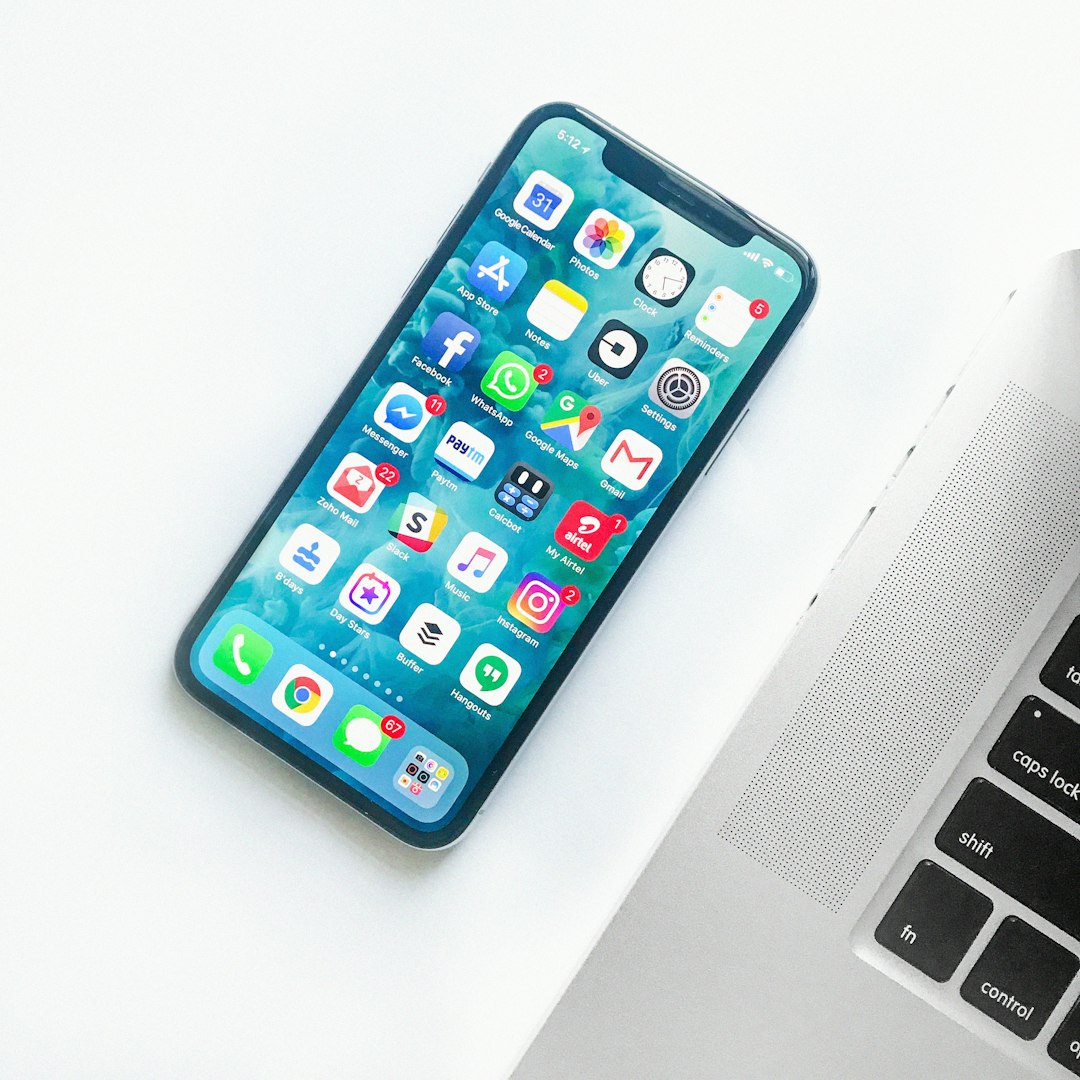
In Philadelphia, as in many urban centers across the country, the sharing of personal information has become an increasingly complex issue. With advancements in technology and data collection practices, individuals' private details are more accessible than ever before. This presents a significant challenge to maintaining one's privacy, particularly when it comes to sensitive data. The impact of sharing personal data extends far beyond mere convenience; it involves intricate rights and responsibilities that every Philadelphian should understand.
Unrestrained dissemination of personal information can lead to a variety of unwanted consequences. For instance, individuals may become targets for identity theft, fraud, or even harassment. Spam call law firms Philadelphia has seen an uptick in cases where citizens are bombarded with unsolicited calls due to their publicly available data. This not only disrupts daily life but also poses financial risks and invades personal space. Moreover, sharing health-related data without consent can result in discrimination or stigmatization, impacting employment opportunities and access to healthcare. Therefore, it is crucial for residents to be proactive in safeguarding their privacy.
Philadelphia's local laws and national privacy regulations provide citizens with rights regarding their personal information. The General Data Protection Regulation (GDPR) offers guidelines for data protection, emphasizing user consent and the right to be forgotten. Similarly, the Phone Consumer Protection Act (TCPA) restricts telemarketers from making unsolicited calls, providing a legal framework to combat spam call law firms that target Philadelphians. However, staying protected requires individual vigilance. Residents should regularly review privacy settings on digital platforms, be cautious of sharing details online, and monitor their financial transactions for any unusual activity. By understanding their rights and taking proactive measures, Philadelphians can ensure that their personal information remains secure in today's data-driven world.